
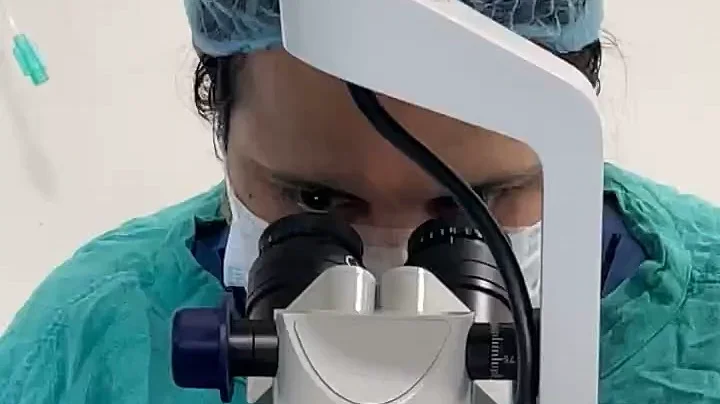
The right time for cataract surgery is when the cataract starts getting in the way of your daily life — reading, watching TV, recognising faces, driving, or seeing at night — and new glasses no longer help enough. You do not need to wait for the cataract to "ripen" (motiya pakna). That advice comes from older surgical methods. Today, waiting too long makes the operation harder, not easier.
"Let the cataract ripen" — why this is old advice
Decades ago, cataract was removed in one piece through a large cut, and a hard, fully mature cataract was easier to take out that way. Modern surgery (phacoemulsification) removes the cataract through a tiny opening, and an early or moderate cataract is the easiest to remove. A very mature cataract is hard and dense: the surgery takes longer, needs more energy inside the eye, and recovery can be slower.
Signs that it may be time
- Reading, sewing or using the phone has become difficult, even with glasses
- Faces across the room or TV text look blurred or washed out
- Glare from headlights or sunlight bothers you, especially at night
- Colours look faded or yellowish
- Your spectacle number keeps changing in a short time
- You have stopped driving, going out alone or doing things you enjoy because of your vision
- An older family member has started bumping into things or falling
If one or more of these is true for you, have your eyes checked and talk to your doctor about surgery.
When it is fine to wait
If the cataract is early, your vision meets your needs, and you are comfortable with updated glasses, it is reasonable to wait and have your eyes checked once a year. There is no medicine, drop or exercise that removes a cataract, but there is also no harm in waiting while it does not trouble you.
Why waiting too long is not a good idea
- The surgery becomes more difficult, and the risk of complications rises
- Recovery can take longer
- A very swollen cataract can raise eye pressure or cause inflammation — painful conditions that need urgent treatment
- Poor vision leads to falls, especially in older people
- A dense cataract can hide other problems behind it, such as diabetic changes in the retina or glaucoma damage, because the doctor cannot see the back of the eye clearly
Special situations
- Diabetes: get your sugar under control before surgery and have your retina checked. Sometimes the doctor advises surgery earlier so the retina can be seen and treated.
- Glaucoma: cataract surgery may affect eye pressure. In some people, cataract and glaucoma surgery can be planned together. Your doctor will advise.
- Both eyes: usually one eye is operated first, and the second after a few days or weeks, once the first has settled.
- Age: no one is too old for cataract surgery if they are fit for a short procedure under local anaesthesia.
- Season: modern cataract surgery can be done in any season — summer, monsoon or winter. Follow the care instructions after surgery and keep the eye clean.
What happens before surgery
Your eye is examined fully, and the eye is measured (biometry) to choose the power of the new lens. Your blood pressure, sugar and any medicines — especially blood thinners — are reviewed. You also choose the type of lens; read Cataract surgery techniques, and choosing a lens.
When to see a doctor now
- Sudden drop in vision
- Pain or redness in an eye that has a cataract
- Coloured rings around lights with headache
Common questions
Can drops or medicines dissolve a cataract?
No. No drop, medicine or home remedy removes a cataract. Surgery is the only treatment.
Can a cataract come back after surgery?
The cataract itself does not come back. Months or years later, the thin membrane behind the new lens can turn cloudy (posterior capsule opacity). This is treated with a quick, painless laser in the clinic.
Is cataract surgery painful?
The eye is numbed with drops or a local injection, so most people feel no pain — at most some pressure.
How soon can I go back to work?
It depends on your work and how the eye heals. Many people return to desk work within a few days. Your doctor will tell you what is safe for you.
---
New to cataract? Start with What a cataract is, and why it forms. Told you need surgery and want a second opinion? Talk to Dr. Swati on a video call.
This article is general information. Please see a doctor about your own eyes.